There are two major tends in the way people access content that are beginning to converge: First and foremost, the internet has become pervasive in almost every way, with users increasingly accessing everything from previously-aired television programming to their bank statements online. Secondly, extremely fast broadband connections and fiber optic technology have become mainstream, allowing homes access to a level of service that can power high definition programming, large downloads, and even landline voice calls simultaneously without so much as a hiccup.
At the intersection of super-fast online access and multimedia availability is IPTV. The acronym stands for Internet Protocol Television, and it represents the future of television in households around the world. From live television to on-demand content and interactive features, it’s the convergence of the everyday Internet and the everyday television into something that is truly extraordinary.
Internet Protocol Television is Not to be Confused with Streaming Online Content
The most common assumption that the average user makes about IPTV is that it must be a high-definition version of the video streaming services that are already available online. This, however, is completely false. In fact, IPTV is more lie the next generation go cable television services than it is the next YouTube.
IPTV is so named because it uses the same Internet protocol technology that powers traditional computer and mobile devices. Providers of the service transmit television channels and interactive services to homes using an installed packet-switched network. This network differs from traditional broadband networks in that it can intelligently allocate network resources and bandwidth speeds to the most important task at hand.
This technology has long been present in offices, which use VoIP phone services in place of traditional landlines. Using packet switching, voice calls are prioritized over the Internet. This ensures that calls are not dropped or degraded due to low bandwidth as other computers hog network resources. Likewise, packet-switched networks work for IPTV installations by ensuring that video is given priority, when in use, over traditional desktop Internet uses.
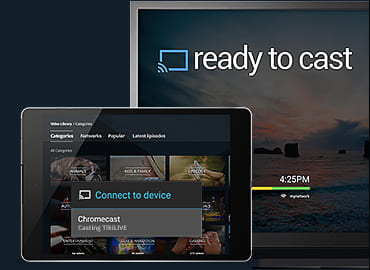
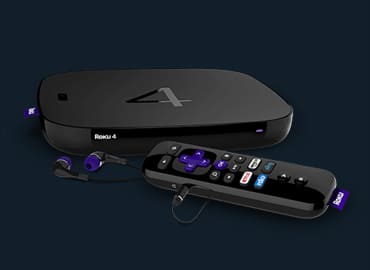
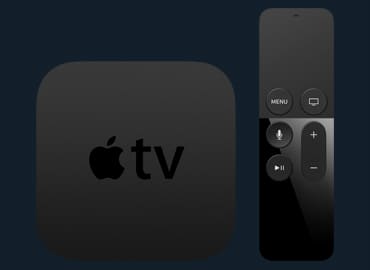
All of this means that the quality and content available to IPTV customers is far superior to online streaming services. Video is offered in full high definition, and can be viewed on a home television (via a brand set top box) as well as on any other devices with access to a reliable Internet connection.
More than Just Stan dard Television
IPTV installations offer companies more options for streaming their content than do traditional cable companies with copper wire installations. IPTV content is, by its nature, far more dynamic than the television channel s delivered over traditional copper lines. This is due in part to its inherent dependence on, and utilization of, a broadband Internet connection for th ings as bas ic a s transmission.
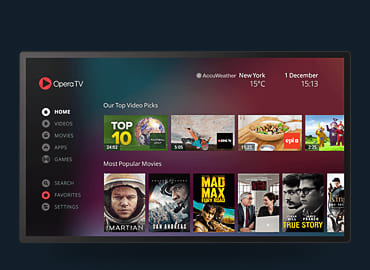
The availability of data to IPTV services means that they can engage in three kinds of content distribution: The first is live television, a service that almost exactly r es embl es a traditional television channel. The second is video on demand services, which can stream high definition movies, television, and other content whenever a user chooses to watch it. And the third service is known as time-shifted programming. This allows a use to tune to a television show sometime after it has begun, and effectively rewind the program to its first moments and watch from the beginning. It’s essentially a DVR on steroids, and it’s something that has been pioneered by IPTV providers.
Inherently a Social Option for a New Generation of Viewers
The great thing about IPTV services is that they allow their customers to watch content streamed by the service anywhere that an internet connection is available. This is simply not available with traditional television companies; instead, they offer certain blocks of pre-recorded content, or certain movies, to their customers via special applications when they ‘re away from the television.
With IPTV, the co
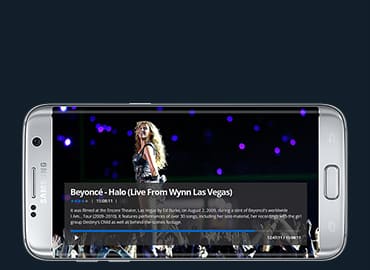
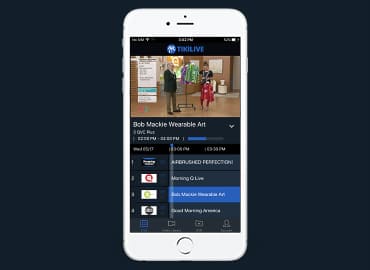
ntent is already on the Internet, as the internet is the way content data is carried, filtered, and displayed. This is channeled into a home television b e cause customers traditionally expect to watch television on a large screen, but it doesn’t have to be. With IPTV services, customers can access all of their channels via their smartphone, tablet computer, desktop or laptop computer — anywhere.
That means that television takes on a completely new life. In fact, it stops being “television” and starts being simply “programming.” With IPTV, content is no longer defined by the device it is viewed on, because it can be viewed on any device with a data connection.
This takes content distribution to a new level, as most users viewing television on the go will be with friends, colleagues, or even family members. It takes the social aspect of television programming off of the sofa and into the real world. It can help companies spread their message more effectively; as IPTV continues to become more common, developers will be able to combine what a user’s currently watching with their social media patterns, targeting content and advertising based on their preferences.
Further Revenue Enhancements Enabled by IPTV
Companies considering offering an IPTV solution might be tantalized by the future prospect of combining programming with social media, but there are plenty of revenue-generating practices in place for them to make a healthy profit with the service from the very first customer they sign up.
That’s because IPTV, unlike copper wire alternatives, allows service providers to use IP tracking information. Because IPTV uses the internet protocol suite to deliver content, companies offering IPTV services can actually see when those IP addresses are active, and what channel they’re tuned into at any given time. Combined with the demographic information that is required at the time of signup, IPTV providers can match age and gender with programming and channel preferences to target advertising and revenue enhancers to specific groups of subscribers.
And the advent of IP tracking means that advertising actually be pinpointed, displayed to only those IP addresses, which might find the advertisement interesting. It eliminates needless spending to advertise to much larger, broader demographic groups and increases the return on the initial investment in the ads.
Content providers can also leverage the “access anywhere” abilities of IPTV implementations to display per-click advertising alongside programming, basing their ad strategy on the user’s demographic information and the type of program they’re watching.
Traditional methods of revenue enhancement, such as monetizing on-demand programs with a small, one-time fee, can also reap larger rewards with IPTV. With content accessible from any internet-connected device, content producers have a far larger market for their on-demand programming. They can leverage this with pay-per-view offerings or one-time fees that allow a consumer to purchase and own content.
Being able to offer these options across every Internet-enabled devices increases the chance that a customer will pay a small fee for the convenience of streaming that show or movie wherever life happens to take them — and their smartphone. And it’s a far better, and more versatile, option than traditional cable television companies are offering their own subscribers.
IPTV Can be Fully Branded
Unlike Internet streaming sites such as Hulu and YouTube, IPTV distributions can be fully branded using a company’s existing logo and marketing message. Companies which specialize in deploying these systems allow providers to brand set top boxes with their own logo, create their own television-like IPTV content channels, and unleash their own branded advertising to customers.
This means that IPTV takes the game of content delivery and completely changes it. Whereas it was once the responsibility of just a few cable providers to deliver content to customers, it is now possible for any ambitious media company to offer IPTV services with their own branded set top box, channels, and advertising content. It’s essentially putting content in the hands of the “everyday producer.”
When IPTV Enters the Picture, Consumers Benefit
Above and beyond the technical improvements offered by an IPTV service, there is the added benefit to consumers: lower price, wider accessibility to content, and more content providers competing for their hard-earned money. Consumers are increasingly looking to choose services that take content out of the home and put it in their hands as they travel to and from work, head away from home on vacation, and spend time away from a traditional set top box in general.
The world is increasingly mobile and, while cable television operators struggle to provide mobile access to their content, IPTV offers such access just by default. Its utilization of packet switching allows it to always deliver superior image quality, regardless of broadband speed fluctuations; its use of the internet protocol suite allows consumers to tune in from any internet-enabled device; and this same technology allows content providers to show consumers ads which actually interest them and cater to their preferences, rather than annoy them with their irrelevance.
Internet Protocol Television isn’t just the future of television; it’s the common sense evolution of a medium that must be made portable in order to be made financially viable for content producers. As the focus shifts from big cable companies and networks to individual video producers, IPTV is the common sense way to deliver all manner of content to an increasingly broadband-connected, mobile world. Contact Eyepartner today to start experiencing the wonders of IPTV.
If you want to receive the latest news in Video Broadcasting Industry please consider subscribing to eyepartner.com by Email or RSS Feed


Comments